


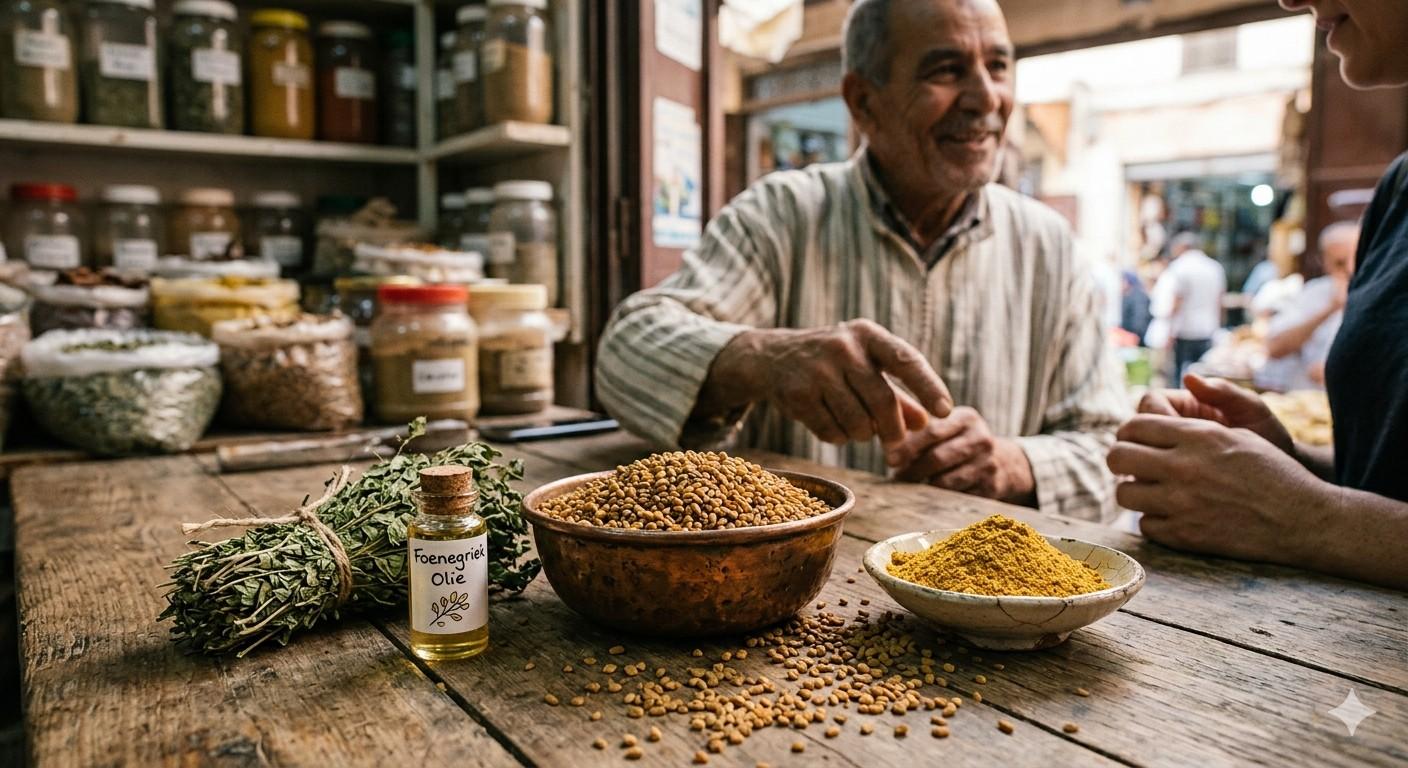
Foenegriek, also known as fenugreek or Trigonella foenum-graecum, is one of the oldest medicinal herbs used in traditional medicine systems like Ayurveda and Unani. Today, it has gained global attention in the United States for its potential benefits in blood sugar control, digestion, and hormonal balance.
Many people struggle with low energy, digestive issues, or unstable blood sugar levels and turn to natural remedies for support. Foenegriek is often recommended, but confusion remains about how it works, whether it is safe, and how to use it correctly.
In this complete guide, you will learn everything about foenegriek—its benefits, uses, side effects, and how to include it in your daily routine safely and effectively.
Quick Answer (Featured Snippet)
Foenegriek (fenugreek) is a medicinal herb rich in fiber and plant compounds that may help regulate blood sugar, improve digestion, and support hormonal health. It is commonly used as seeds, powder, or supplements. While generally safe, it should be consumed in moderation due to possible digestive or allergic side effects.
What Is Foenegriek?
Foenegriek refers to the seeds and leaves of the plant Trigonella foenum-graecum. In many cultures, it is known as “methi.”
It has a slightly bitter taste and is widely used in:
- Herbal medicine
- Cooking (especially Indian and Middle Eastern cuisine)
- Dietary supplements
- Natural blood sugar support formulas
Key Nutritional Components
Foenegriek contains:
- Soluble fiber (galactomannan)
- Saponins
- Alkaloids (trigonelline)
- Iron, magnesium, and manganese
- Plant-based protein
These compounds contribute to its wide range of health effects.
Foenegriek Benefits for Health
Foenegriek is widely studied for its medicinal properties. Let’s explore the most important benefits backed by traditional use and emerging research.
Foenegriek and Blood Sugar Support
One of the most well-known benefits of foenegriek is its role in supporting healthy blood sugar levels.
The soluble fiber in foenegriek slows carbohydrate digestion, which may help reduce blood sugar spikes after meals.
How it may help:
- Improves insulin sensitivity
- Slows glucose absorption
- Supports metabolic balance
This makes foenegriek popular among people managing prediabetes or type 2 diabetes (under medical supervision).
Foenegriek for Digestion and Gut Health
Foenegriek has been traditionally used to relieve digestive discomfort.
Potential digestive benefits:
- Reduces bloating
- Supports healthy bowel movements
- May ease mild acid reflux
- Promotes gut-friendly bacteria
Its high fiber content acts as a natural prebiotic, feeding beneficial gut bacteria.
Foenegriek for Hormonal and Lactation Support
Foenegriek is commonly used in postpartum care, especially for breastfeeding mothers.
It is believed to support milk production, though results vary between individuals.
Other hormonal effects:
- May support estrogen balance
- Traditionally used for menstrual discomfort
- Studied for mild testosterone support in men (limited evidence)
Foenegriek for Weight Management
Foenegriek is sometimes included in weight-loss routines due to its fiber content.
Possible benefits:
- Increases fullness after meals
- Reduces unnecessary snacking
- Helps control appetite naturally
However, it is not a magic weight-loss solution—diet and lifestyle still matter most.
How to Use Foenegriek
Foenegriek can be consumed in multiple forms depending on your preference.
1. Foenegriek Seeds
- Soaked overnight in water
- Chewed in the morning
- Added to cooking
2. Foenegriek Powder
- Mixed into smoothies
- Added to yogurt or soups
- Used in herbal drinks
3. Foenegriek Tea
- Boil seeds in water for 5–10 minutes
- Drink warm water for digestive support
4. Supplements
- Capsules or tablets
- Standardized extracts for convenience
Possible Side Effects of Foenegriek
While foenegriek is natural, it is not free from side effects.
Common side effects:
- Bloating or gas
- Mild diarrhea
- Maple-like body odor
- Allergic reactions (rare)
Precautions:
- Avoid high doses during pregnancy
- May interact with diabetes medications
- Consult a doctor if you are on blood thinners
Moderation is key.
Foenegriek in Traditional Medicine
Foenegriek has been used for thousands of years in:
- Ayurveda (India)
- Traditional Chinese Medicine
- Middle Eastern herbal remedies
It was historically used for:
- Strength recovery
- Lactation support
- Digestive cleansing
- General vitality
Foenegriek vs Modern Supplements
| Feature | Foenegriek | Synthetic Supplements |
|---|---|---|
| Source | Natural plant | Lab-made |
| Fiber content | High | Low |
| Side effects | Mild | Varies |
| Absorption | Gradual | Fast-acting |
Foenegriek is often preferred for long-term natural support rather than quick fixes.
Best Practices for Using Foenegriek
To get the most benefit from foenegriek:
- Start with small doses
- Drink plenty of water
- Use consistently for 2–4 weeks
- Combine with a balanced diet
- Avoid overuse
Common Mistakes People Make
Many users do not get results because of:
- Taking too little or too much
- Not using it consistently
- Expecting instant results
- Ignoring diet and lifestyle factors
Foenegriek works best as part of a long-term wellness routine.
Who Should Avoid Foenegriek?
Foenegriek may not be suitable for:
- Pregnant women (high doses)
- People with peanut or chickpea allergies
- Individuals on certain diabetes medications without supervision
Always consult a healthcare professional if unsure.
Future Trends in Foenegriek Research
Modern science is increasingly interested in foenegriek due to:
- Natural blood sugar management solutions
- Plant-based hormone support
- Gut microbiome research
More clinical studies are expected in the coming years.
Frequently Asked Questions (FAQs)
1. What is foenegriek used for?
Foenegriek is used for digestion, blood sugar support, lactation, and general wellness.
2. Is foenegriek safe daily?
Yes, in moderate amounts, it is generally safe for most people.
3. How long does foenegriek take to work?
Some effects may appear within days, but consistent use for weeks is recommended.
4. Can foenegriek help with weight loss?
It may support appetite control, but it is not a standalone weight-loss solution.
5. What does foenegriek taste like?
It has a slightly bitter, nutty flavor with a maple-like aroma when cooked.
6. Can men use foenegriek?
Yes, it is used by both men and women for general health and metabolic support.
7. What is the best way to consume foenegriek?
Soaked seeds or tea are the most traditional and effective methods.
8. Does foenegriek increase breast milk?
It is traditionally used for lactation support, but results vary among individuals.
Conclusion
Foenegriek is a powerful herbal ingredient with a long history of traditional use and growing modern interest. From supporting digestion to helping maintain healthy blood sugar levels, it offers a wide range of potential benefits when used correctly.
If you are considering adding foenegriek to your routine, start slowly, stay consistent, and focus on balance rather than quick results. This natural herb can be a valuable addition to a healthy lifestyle when used responsibly.
