

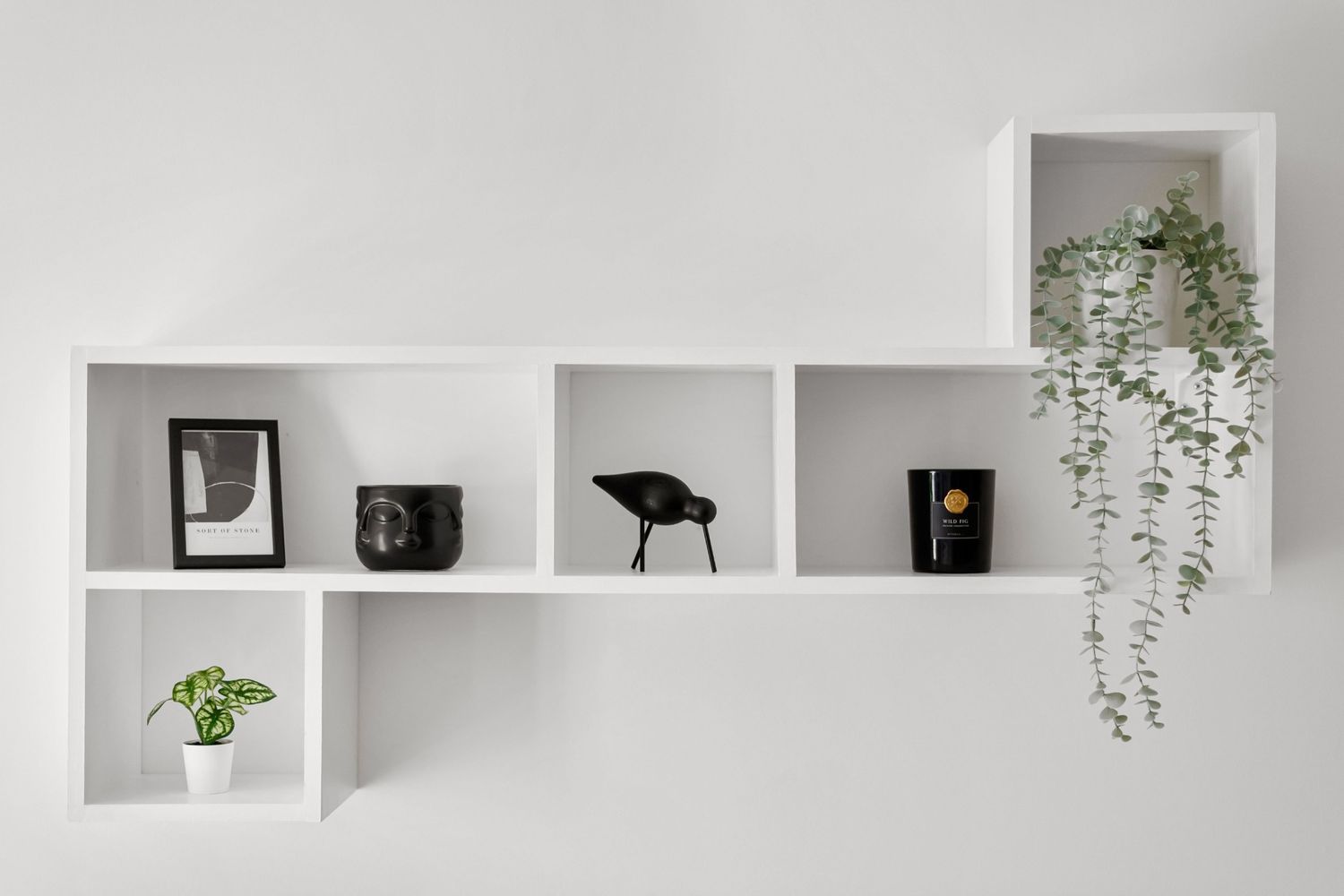
A well-designed room doesn’t need dozens of decorative pieces to make an impact. In fact, some of the most beautiful interiors rely on simplicity rather than excess. That’s where minimalist wall art comes in.
Whether you’re decorating a new home, refreshing a living room, or creating a calm workspace, minimalist art can instantly elevate a space without overwhelming it. Its clean lines, limited color palettes, and thoughtful compositions help create balance, visual harmony, and a sense of calm.
In this guide, you’ll learn what minimalist wall art is, why it’s so popular, how to choose the right pieces for your home, common mistakes to avoid, and the latest design trends shaping modern interiors.
Quick Answer
Minimalist wall art is artwork that emphasizes simplicity, clean design, and intentional use of space. It often features limited colors, geometric shapes, abstract forms, line drawings, or subtle photography. The goal is to create visual impact through restraint, making rooms feel more organized, modern, and peaceful.


What is a Minimalist Wall Art?
Minimalist wall art is a design style that focuses on essential elements while removing unnecessary details. Inspired by the broader minimalist movement in art and architecture, it values simplicity, functionality, and visual clarity.
Common characteristics include:
- Clean lines
- Neutral color palettes
- Negative space
- Geometric patterns
- Simple typography
- Abstract compositions
- Single-subject photography
- Monochromatic designs
Rather than filling every inch of a wall, minimalist artwork allows space to breathe. This creates a more intentional and sophisticated appearance.
Why Minimalism Works So Well in Interior Design
Our brains naturally seek order and simplicity. Busy environments can feel distracting and stressful, while clean spaces often promote relaxation and focus.
Minimalist wall art helps by:
- Reducing visual clutter
- Enhancing room balance
- Creating focal points
- Supporting modern décor styles
- Making small rooms feel larger
- Complementing rather than dominating furniture
This versatility explains why minimalist designs remain popular across homes, offices, hotels, and commercial spaces worldwide.
Popular Types of Minimalist Wall Art
Not all minimalist artwork looks the same. Several distinct styles fall under the minimalist umbrella.
1. Abstract Minimalist Art
Abstract minimalist pieces use shapes, colors, and textures rather than recognizable subjects.
Examples include:
- Geometric circles
- Soft brush strokes
- Organic forms
- Color blocks
These works add visual interest without overwhelming a room.
2. Line Art
Line art has become one of the most sought-after forms of minimalist wall décor.
Features include:
- Single continuous lines
- Face outlines
- Human figures
- Botanical illustrations
- Animal sketches
The simplicity creates elegance while maintaining artistic depth.
3. Black-and-White Photography
Minimalist photography often focuses on:
- Architecture
- Landscapes
- Shadows
- Textures
- Urban scenes
Black-and-white images add sophistication and work well with nearly any interior color scheme.
4. Typography Prints
Simple text-based artwork can make a powerful statement.
Popular options include:
- Inspirational quotes
- Single-word designs
- Modern typography
- Motivational messages
The key is choosing meaningful words and keeping the design uncluttered.
5. Nature-Inspired Minimalist Art
Minimalist interpretations of nature remain timeless.
Common subjects include:
- Mountains
- Leaves
- Trees
- Oceans
- Desert landscapes
- Botanical illustrations
These pieces blend modern aesthetics with natural warmth.


How to Choose the Right Minimalist Wall Art
Selecting artwork isn’t only about appearance. It should support the overall feel and purpose of a room.
Consider the Room’s Function
Different spaces require different moods.
| Room | Recommended Style |
|---|---|
| Living Room | Large abstract pieces |
| Bedroom | Soft nature-inspired artwork |
| Home Office | Geometric or motivational prints |
| Dining Room | Modern abstract collections |
| Entryway | Simple statement pieces |
Match the Color Palette
Minimalist wall art often uses:
- White
- Beige
- Gray
- Black
- Earth tones
- Muted blues
- Soft greens
Choose artwork that complements existing furniture and finishes.
Focus on Scale
One common mistake is choosing artwork that’s too small.
General guidelines:
- Large walls benefit from oversized pieces.
- Small walls work well with single framed prints.
- Gallery arrangements should maintain consistent spacing.
A large minimalist artwork often creates a stronger impact than several smaller pieces.
Think About Framing
Frames play an important role in minimalist design.
Popular choices include:
- Thin black frames
- Natural wood frames
- White frames
- Frameless canvas designs
Avoid ornate frames that compete with the artwork.
Benefits of Minimalist Wall Art
Creates a Calm Environment
Minimalist designs naturally promote relaxation. Their clean composition reduces visual noise and contributes to a more peaceful atmosphere.
Enhances Modern Interiors
Modern, Scandinavian, Japandi, and contemporary spaces all benefit from minimalist artwork.
Timeless Appeal
Unlike trend-driven décor, minimalist pieces rarely look outdated.
Easy to Style
Because minimalist wall art is visually restrained, it works well alongside changing furniture, paint colors, and decorative accessories.
Supports Mindful Living
Many homeowners are embracing intentional design choices. Minimalist art aligns with this philosophy by prioritizing quality over quantity.
Minimalist Wall Art and Popular Interior Design Styles
Scandinavian Design
Scandinavian interiors emphasize:
- Light colors
- Functionality
- Natural materials
Minimalist art fits perfectly within this aesthetic.
Japandi Style
A blend of Japanese and Scandinavian design, Japandi embraces simplicity, craftsmanship, and natural beauty.
Ideal artwork includes:
- Organic forms
- Botanical sketches
- Neutral abstract prints
Contemporary Design
Contemporary interiors frequently feature bold minimalist statement pieces that create visual interest without clutter.
Industrial Spaces
Black-and-white photography and geometric artwork pair particularly well with exposed brick, metal accents, and industrial furnishings.


Common Mistakes to Avoid
Even simple décor can go wrong if not thoughtfully planned.
Buying Art Just Because It’s Trendy
Choose pieces that resonate personally rather than following short-lived trends.
Overcrowding the Wall
Minimalism relies on breathing room.
Leave sufficient negative space around artwork.
Ignoring Room Scale
Tiny artwork on a large wall often feels disconnected and unfinished.
Mixing Too Many Styles
Minimalist art works best when the surrounding décor follows a cohesive design direction.
Poor Placement
Artwork should generally hang at eye level unless intentionally creating a dramatic effect.
Expert Tips for Creating a Minimalist Art Display
Start With One Statement Piece
A single oversized artwork often delivers greater visual impact than multiple small pieces.
Use the Rule of Three
When creating a gallery arrangement:
- Choose three complementary pieces.
- Maintain consistent spacing.
- Keep frames coordinated.
Limit Color Variations
A restrained palette creates a cleaner and more sophisticated appearance.
Incorporate Texture
Minimalist doesn’t mean flat.
Consider:
- Textured canvases
- Handmade paper prints
- Linen artwork
- Mixed-media pieces
Texture adds depth while preserving simplicity.
Emerging Trends in Minimalist Wall Art
Interior design continues to evolve, and minimalist artwork is adapting with it.
Sustainable Art Materials
Consumers increasingly seek:
- Recycled paper prints
- Eco-friendly inks
- Sustainably sourced frames
Organic Abstract Forms
Rigid geometric shapes are being complemented by softer, nature-inspired compositions.
Textured Minimalism
Subtle textures and dimensional surfaces are becoming more popular than completely flat designs.
Neutral Earth-Tone Palettes
Warm beiges, clay tones, terracotta, and muted greens are replacing stark monochrome schemes in many contemporary homes.
Digital and Printable Art
High-quality downloadable artwork offers affordable access to designer-inspired minimalist pieces.
Is Minimalist Wall Art Right for Every Home?
While minimalist wall art works in most settings, it may not suit every personality or design preference.
You may love minimalist artwork if you:
- Prefer clean spaces
- Enjoy modern aesthetics
- Value simplicity
- Want timeless décor
- Appreciate subtle design details
You may prefer other styles if you enjoy:
- Maximalist interiors
- Bold colors
- Eclectic collections
- Ornate decorative elements
The best choice ultimately depends on how you want your space to feel.
Frequently Asked Questions
What defines minimalist wall art?
Minimalist wall art focuses on simplicity, limited visual elements, clean composition, and intentional use of negative space.
What colors work best with minimalist wall art?
Neutral colors such as black, white, beige, gray, and earth tones are most commonly used, although muted accent colors can also work well.
Is minimalist wall art expensive?
Not necessarily. Options range from affordable digital downloads to premium original artworks and gallery-quality prints.
Can minimalist wall art work in small rooms?
Yes. Minimalist designs often make smaller spaces feel larger and less cluttered.
What frame style is best for minimalist artwork?
Simple frames such as black metal, white wood, or natural oak typically complement minimalist designs best.
How many pieces should I hang on one wall?
This depends on wall size, but minimalist interiors generally favor fewer, larger pieces rather than many small ones.
Does minimalist wall art go out of style?
Because it emphasizes timeless design principles rather than trends, minimalist artwork tends to remain relevant for many years.
Can I mix minimalist art with traditional furniture?
Absolutely. Minimalist pieces can create an attractive contrast when paired with traditional or classic furnishings.
Conclusion
Minimalist wall art continues to be one of the most effective ways to create a sophisticated, calm, and visually balanced environment. Focusing on simplicity, intentional design, and meaningful visual elements, it helps transform ordinary walls into elegant focal points.
Whether you prefer abstract compositions, line drawings, nature-inspired prints, or monochrome photography, the key is choosing artwork that complements your space and reflects your personal style. Start with one carefully selected piece, prioritize quality over quantity, and allow negative space to do its job.
Ready to refresh your interior? Explore different styles of minimalist wall art and begin creating a space that feels both beautiful and effortlessly uncluttered.
