


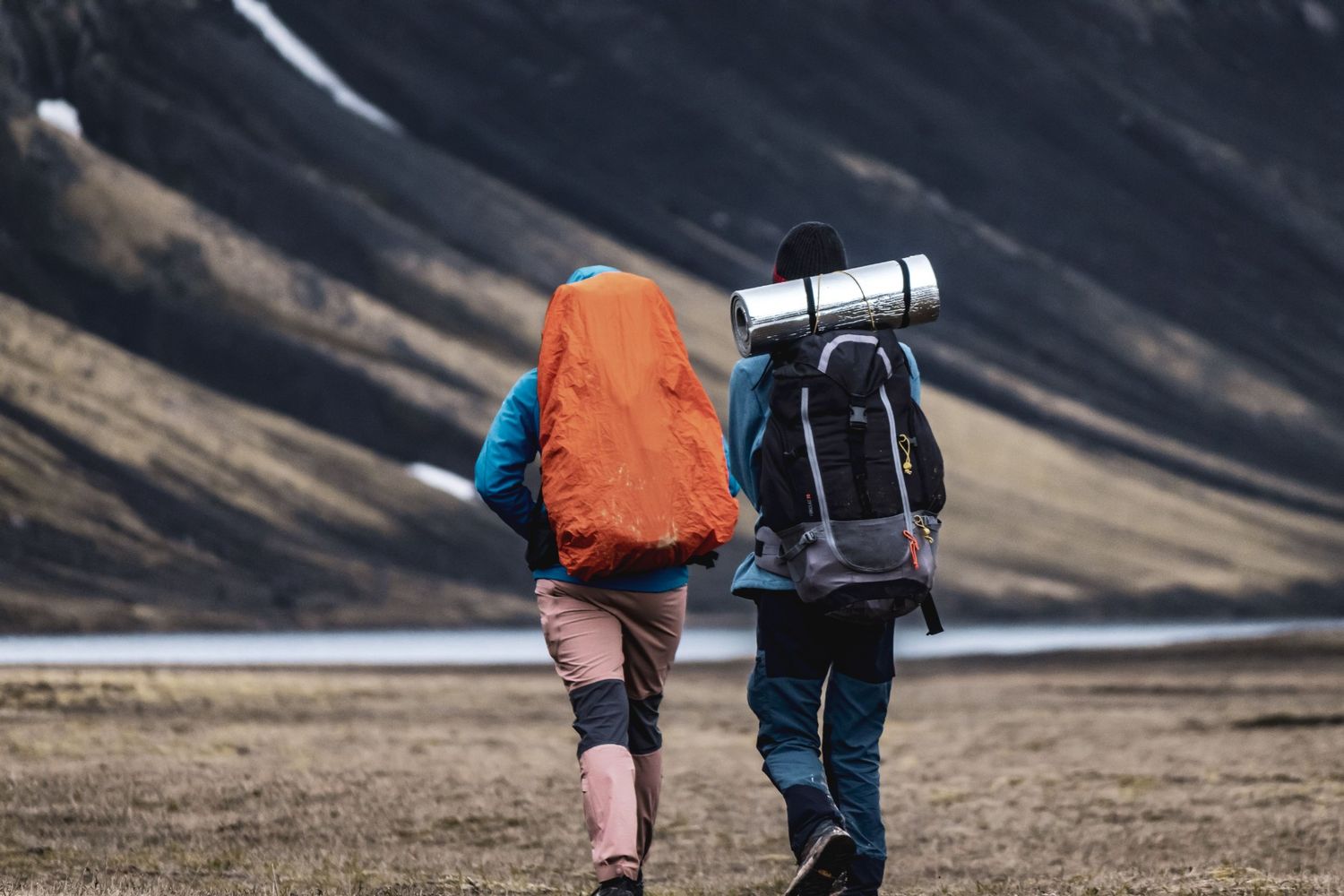
Backpacking is one of the most rewarding ways to travel and explore the outdoors. Whether you’re dreaming of hiking through mountain trails, camping under the stars, or traveling on a flexible budget across different countries, understanding what a backpacking trip is the first step toward an unforgettable adventure.
Many beginners confuse backpacking with ordinary travel or day hiking. Others assume it requires extreme fitness, expensive gear, or survival skills. In reality, backpacking can be adapted to different budgets, experience levels, and travel goals.
In this guide, you’ll learn exactly what a backpacking trip is, how it works, the benefits and challenges, essential gear, planning tips, common mistakes to avoid, and expert recommendations for a successful experience.
Quick Answer
A backpacking trip is a journey where travelers carry their essential belongings in a backpack while hiking, traveling, or moving between destinations with minimal luggage. It often involves self-sufficient travel, outdoor camping, budget-conscious exploration, and flexibility in itinerary and accommodations.


Understanding the Meaning of Backpacking
At its core, backpacking combines mobility, simplicity, and adventure.
The term can refer to two distinct activities:
1. Wilderness Backpacking
This type involves hiking into natural areas while carrying everything needed for several days, including:
- Shelter
- Food
- Water filtration
- Clothing
- Safety equipment
Wilderness backpackers often camp in forests, mountains, deserts, or national parks.
2. Travel Backpacking
Travel backpacking focuses on exploring multiple destinations while carrying belongings in a backpack rather than traditional luggage.
Common characteristics include:
- Budget accommodations
- Flexible schedules
- Public transportation
- Extended travel periods
- Cultural immersion
Both forms share the same principle: traveling light and remaining self-sufficient.
How Does a Backpacking Trip Work?
A backpacking trip typically follows a simple process.
| Step | What Happens |
|---|---|
| Planning | Choose destination, route, and duration |
| Packing | Carry essential items only |
| Travel | Hike or move between locations |
| Accommodation | Camp, stay in hostels, or budget lodging |
| Daily Routine | Explore, hike, eat, rest, and continue |
| Return | Complete the route or journey |
Unlike traditional vacations, where hotels and transportation are booked extensively, backpacking emphasizes flexibility and adaptability.
Why Do People Go Backpacking?
Backpacking continues to grow in popularity because it offers experiences that traditional travel often cannot.
Freedom and Flexibility
Backpackers can change plans easily and discover unexpected opportunities along the way.
Closer Connection to Nature
Wilderness backpacking allows travelers to experience landscapes that are inaccessible by car.
Budget-Friendly Travel
Many backpackers spend significantly less than traditional tourists by using:
- Hostels
- Campsites
- Public transportation
- Local food options
Personal Growth
Backpacking develops:
- Confidence
- Problem-solving skills
- Independence
- Resilience
Cultural Immersion
Travel backpackers often interact more closely with local communities than package-tour travelers.


Key Characteristics of a Backpacking Trip
Several features distinguish backpacking from other forms of travel.
Minimalist Packing
Backpackers carry only necessities.
This encourages efficient packing and reduces travel stress.
Self-Sufficiency
Depending on the type of trip, travelers may need to:
- Cook meals
- Filter water
- Navigate routes
- Set up shelters
Mobility
The ability to move easily from place to place is a defining characteristic.
Adventure-Focused Experience
Backpacking emphasizes experiences over luxury.
Backpacking vs Hiking: What’s the Difference?
Many people use these terms interchangeably, but they are different.
| Backpacking | Hiking |
|---|---|
| Usually multi-day | Often single-day |
| Requires overnight gear | Usually, no overnight stay |
| Carries food and shelter | Carries minimal supplies |
| More planning required | Less preparation needed |
| Self-sufficient travel | Short-term outdoor activity |
A day hike can become a backpacking trip when overnight camping and self-sufficiency are involved.
Essential Gear for a Backpacking Trip
Having the right equipment can significantly improve comfort and safety.
The Backpack
A quality backpack should:
- Fit properly
- Distribute weight evenly
- Match trip duration
Typical capacities:
| Trip Length | Backpack Size |
|---|---|
| 1–2 Days | 30–50 Liters |
| 3–5 Days | 50–70 Liters |
| 5+ Days | 70+ Liters |
Shelter
Options include:
- Tent
- Hammock
- Bivy sack
- Tarp shelter
Sleeping System
Most backpackers carry:
- Sleeping bag
- Sleeping pad
- Lightweight pillow (optional)
Clothing
Pack layers instead of bulky items:
- Moisture-wicking base layers
- Insulating mid-layer
- Waterproof outer layer
Food and Water
Common essentials:
- Lightweight stove
- Fuel
- Water bottles
- Water filter
Navigation Tools
Carry at least one:
- GPS device
- Smartphone maps
- Compass
- Paper map
Benefits of Backpacking
Physical Health
Backpacking provides:
- Cardiovascular exercise
- Improved endurance
- Better overall fitness
Mental Well-Being
Many backpackers report:
- Reduced stress
- Improved mood
- Better focus
- Increased mindfulness
Environmental Awareness
Spending time outdoors often encourages greater appreciation for nature and conservation.
Stronger Problem-Solving Skills
Backpacking requires adapting to changing conditions and unexpected challenges.
Challenges of Backpacking
While rewarding, backpacking is not always easy.
Physical Demands
Long distances and heavy packs can be tiring.
Weather Conditions
Rain, wind, heat, and cold can affect comfort and safety.
Limited Comfort
Backpacking often means:
- Sleeping outdoors
- Carrying supplies
- Managing limited resources
Safety Concerns
Potential risks include:
- Dehydration
- Navigation errors
- Wildlife encounters
- Injuries
Understanding these challenges helps travelers prepare effectively.


How to Plan Your First Backpacking Trip
Choose a Beginner-Friendly Destination
Look for:
- Well-marked trails
- Established campsites
- Reliable water sources
- Moderate terrain
Start Small
Avoid overly ambitious routes.
A one-night or weekend trip is ideal for beginners.
Research Thoroughly
Understand:
- Weather forecasts
- Trail conditions
- Permit requirements
- Emergency contacts
Test Your Gear
Practice before departure:
- Setting up your tent
- Cooking meals
- Packing efficiently
Create a Packing Checklist
A checklist reduces the chance of forgetting critical items.
Common Backpacking Mistakes to Avoid
Packing Too Much
Overpacking is the most common beginner error.
Every extra kilogram becomes noticeable after several hours.
Ignoring Weather Forecasts
The weather can change rapidly.
Always prepare for unexpected conditions.
Wearing New Footwear
Unbroken hiking boots often cause painful blisters.
Skipping Physical Preparation
Basic fitness training can dramatically improve the experience.
Poor Food Planning
Carry enough calories but avoid excessive weight.
Backpacking Safety Best Practices
Safety should always be a priority.
Tell Someone Your Plans
Share:
- Route
- Timeline
- Emergency contacts
Carry Essential Emergency Items
Include:
- First aid kit
- Headlamp
- Emergency blanket
- Power bank
Learn Basic Navigation
Technology can fail.
Knowing how to use a map and compass adds a valuable backup.
Follow Leave No Trace Principles
Respect nature by:
- Packing out trash
- Staying on designated trails
- Minimizing environmental impact
The Future of Backpacking
Backpacking continues to evolve with new technology and changing travel trends.
Emerging developments include:
- Ultralight gear innovations
- GPS navigation improvements
- Sustainable outdoor products
- Eco-friendly travel practices
- Digital route planning tools
At the same time, many backpackers are seeking more authentic, off-grid experiences that balance technology with outdoor immersion.
Expert Recommendations for New Backpackers
Experienced backpackers often recommend:
- Start with short trips.
- Invest in quality footwear.
- Prioritize lightweight gear.
- Learn basic outdoor skills.
- Pack less than you think you need.
- Focus on safety over distance.
- Keep a flexible mindset.
The goal of your first trip should be to learn and enjoy the experience rather than cover the maximum distance.
Frequently Asked Questions
What is a backpacking trip in simple words?
A backpacking trip is a journey where you carry your essential belongings in a backpack while traveling, hiking, or camping for one or more days.
Is backpacking only for experienced hikers?
No. Beginners can start with short and well-planned backpacking trips and gradually build experience.
How long does a backpacking trip last?
Trips can range from one night to several months, depending on goals, destination, and travel style.
Is backpacking expensive?
It can be very affordable. Many backpackers save money by camping, staying in hostels, using public transportation, and traveling minimally.
What is the difference between camping and backpacking?
Camping often involves driving to a campsite and bringing larger equipment. Backpacking requires carrying all gear on your back.
How much weight should a beginner carry?
A common guideline is carrying no more than 15–20% of your body weight, depending on fitness and experience.
Can I go backpacking alone?
Yes, but solo backpackers should have adequate preparation, navigation skills, and emergency plans.
What skills are most important for backpacking?
Navigation, trip planning, weather awareness, first aid knowledge, and efficient packing are among the most valuable skills.
Conclusion
Understanding what a backpacking trip is the first step toward experiencing one of the most flexible, rewarding, and adventurous forms of travel. Whether you’re exploring remote wilderness trails or moving between cities with everything you need in a backpack, backpacking encourages independence, simplicity, and meaningful experiences.
Start small, learn the basics, invest in essential gear, and focus on preparation. As your confidence grows, you’ll discover why millions of travelers and outdoor enthusiasts choose backpacking as their preferred way to explore the world.
Ready to begin? Plan a short overnight adventure, test your gear, and take your first step into the world of backpacking.
