


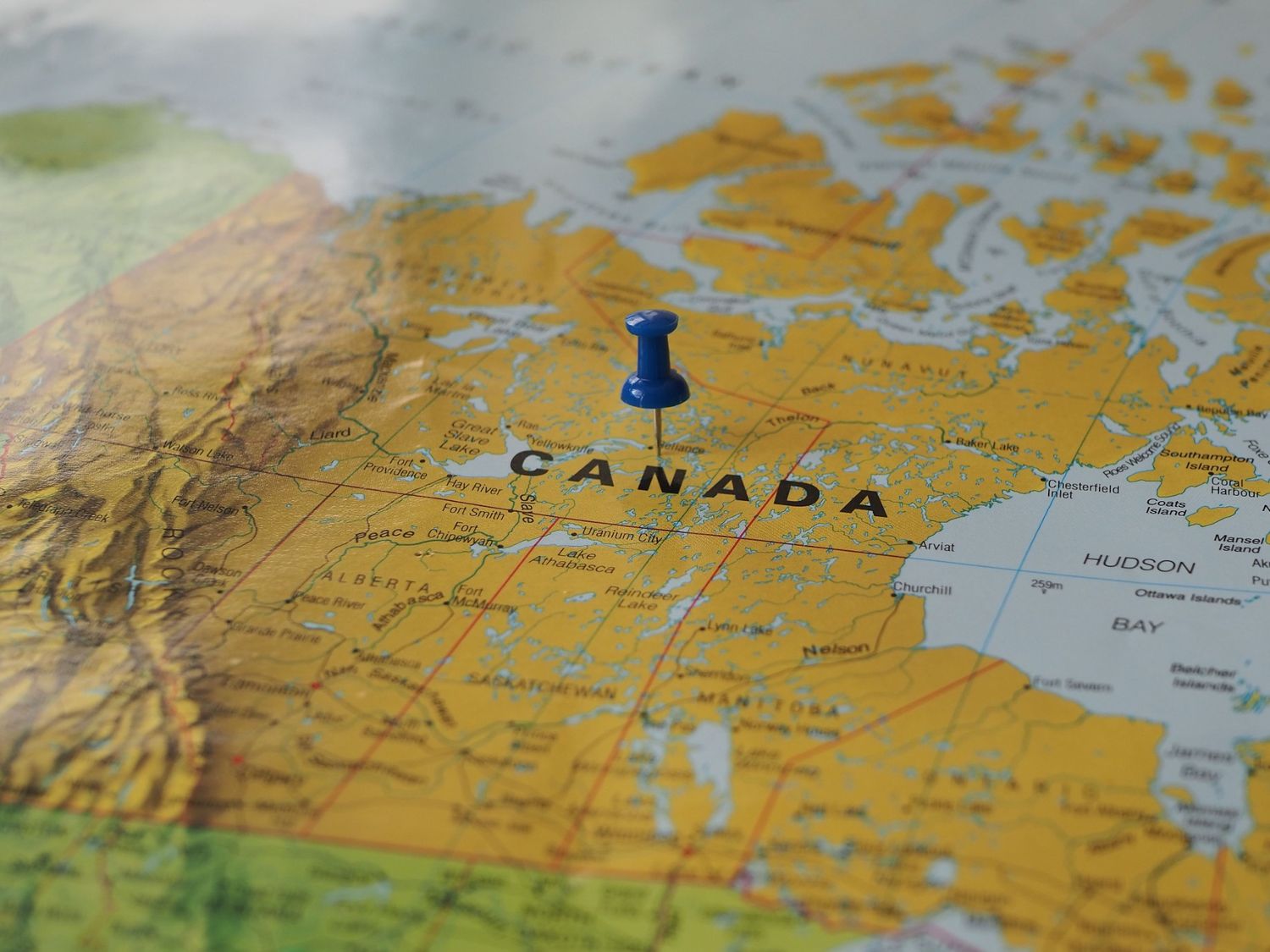
If you’re planning a trip across the northern border, understanding Canada travel warnings USA is essential for a smooth and safe journey. Many U.S. travelers assume Canada is completely risk-free, but like any international destination, there are official advisories, seasonal risks, and entry rules that can affect your travel plans.
The confusion often comes from outdated information, unclear travel advisory levels, and assumptions about safety in North America. Whether you’re driving across the border for a weekend in Toronto, visiting Vancouver, or exploring the Rocky Mountains, knowing the current guidance helps you avoid surprises.
In this guide, we break down everything you need to know about Canada travel warnings USA, including safety levels, border requirements, common risks, and expert travel tips so you can plan confidently.
Quick Answer (Featured Snippet)
Canada travel warnings USA refer to official U.S. government travel advisories for Canada, which are generally Level 1 (exercise normal precautions). Canada is considered a very safe destination for U.S. travelers, with low crime rates, stable infrastructure, and straightforward border entry rules, though seasonal weather and documentation requirements should be considered.
Understanding Canada Travel Warnings USA


The term Canada travel warnings USA refers to travel advisories issued by the U.S. Department of State for American citizens traveling to Canada. These advisories are designed to inform travelers about safety conditions, health risks, and entry requirements.
Canada is consistently ranked as one of the safest international destinations for Americans. Most advisory updates focus not on crime or terrorism, but on:
- Winter weather hazards in northern provinces
- Wildlife encounters in rural areas
- Road safety during snow and ice seasons
- Entry document requirements
- Occasional civil demonstrations in major cities
Unlike higher-risk destinations, Canada rarely receives elevated warning levels.
Current Safety Overview for U.S. Travelers
From an EEAT and real-world travel perspective, Canada remains one of the most stable and predictable destinations for Americans.
Key Safety Facts:
- Violent crime rates are significantly lower than in the United States
- Police presence is strong in all major cities
- Healthcare system is accessible but expensive for visitors
- Emergency response services are reliable nationwide
What this means for travelers:
If you’re reviewing Canada travel warnings USA, the key takeaway is that there are no widespread safety restrictions for tourism. Most trips are considered routine and low-risk.
However, travelers should still plan for:
- Winter driving hazards in provinces like Alberta and Quebec
- Remote-area isolation in national parks
- Limited cell service in rural regions
Entry Rules & Border Requirements


Understanding border rules is a crucial part of Canada travel warnings USA, especially for first-time visitors.
Required Documents for U.S. Citizens:
- Valid U.S. passport (recommended for air travel)
- Enhanced Driver’s License (for land crossings in some states)
- Proof of return travel (occasionally requested)
Customs and Restrictions:
- No firearms without strict declaration and permits
- Restrictions on certain foods and agricultural goods
- Currency over CAD $10,000 must be declared
Entry Screening:
Border officers may ask about:
- Purpose of travel
- Length of stay
- Accommodation details
- Proof of financial means
Processing is usually quick, but honesty is essential.
Common Concerns in Canada Travel Warnings USA
Even though Canada is safe, travelers often misunderstand what the advisory actually covers.
1. Weather Risks
Canada’s biggest natural risk is climate-related:
- Heavy snowstorms in winter
- Sudden temperature drops
- Road closures in mountain regions
2. Wildlife Encounters
In rural and forested areas:
- Bears
- Moose
- Wolves (rare but possible in remote regions)
3. Urban Safety
Cities like Toronto, Vancouver, and Montreal are generally safe, but standard precautions apply:
- Watch for pickpocketing in crowded areas
- Avoid unlicensed transportation services
- Stay alert at night in unfamiliar neighborhoods
4. Health Considerations
- Healthcare is not free for visitors
- Travel insurance is strongly recommended
- Pharmacies are widely available but prescriptions may differ
Travel Advisory Levels Explained


To fully understand Canada travel warnings USA, it helps to know how U.S. travel advisories work.
U.S. Advisory Levels:
- Level 1: Exercise normal precautions (Canada falls here)
- Level 2: Exercise increased caution
- Level 3: Reconsider travel
- Level 4: Do not travel
Canada typically remains at Level 1 due to:
- Strong political stability
- Low violent crime
- Reliable infrastructure
- Strong emergency services
This makes it one of the safest international travel destinations for Americans.
What U.S. Travelers Should Know Before Visiting Canada
Transportation Differences
- Speed limits are in kilometers per hour
- Driving laws vary by province
- Winter tires are required in some regions
Currency & Payments
- Canadian Dollar (CAD) is used
- Credit cards are widely accepted
- Small rural towns may prefer cash
Cultural Differences
- Bilingual signage in English and French (especially Quebec)
- Polite social norms are strongly emphasized
- Tipping is standard in restaurants (15–20%)
Tips for Safe Travel to Canada
Even with minimal Canada travel warnings USA, smart travel planning improves your experience.
Practical Safety Tips:
- Check weather forecasts before road trips
- Carry emergency supplies in winter
- Keep digital and physical copies of documents
- Use official border crossing points only
- Buy travel insurance before departure
Road Trip Advice:
- Avoid driving long distances at night in rural areas
- Watch for wildlife crossing signs
- Keep fuel tank at least half full in remote regions
Common Mistakes Travelers Make
Many Americans overlook small but important details:
- Assuming no passport is needed for land travel
- Underestimating winter driving conditions
- Ignoring insurance requirements
- Not checking provincial regulations
- Overpacking prohibited food items
Avoiding these mistakes ensures your trip aligns with current Canada travel warnings USA guidance.
Pros and Cons of Traveling to Canada
Pros:
- Extremely safe destination
- Beautiful natural landscapes
- Easy border access from the U.S.
- High-quality infrastructure
Cons:
- Expensive healthcare for visitors
- Harsh winter conditions
- Long travel distances in rural areas
Future Travel Trends
Experts expect Canada–U.S. travel to remain stable, with:
- Increased road trips across the border
- Growth in eco-tourism and national park visits
- Digital border processing improvements
- More insurance-focused travel planning
These trends may slightly affect how Canada travel warnings USA are updated in the future.
FAQs About Canada Travel Warnings USA
1. Is Canada safe for U.S. travelers in 2026?
Yes. Canada is considered very safe with low crime rates and stable conditions.
2. Do Americans need a visa to visit Canada?
No visa is required for short stays, but a valid passport is necessary.
3. What is the current U.S. travel advisory for Canada?
It is generally Level 1: exercise normal precautions.
4. Are there any serious travel warnings for Canada?
No major warnings exist for tourism purposes at this time.
5. Can I drive from the U.S. to Canada?
Yes, but you must cross at an official border checkpoint with proper documents.
6. Is travel insurance necessary for Canada?
Highly recommended due to expensive healthcare for visitors.
7. What is the biggest risk for travelers in Canada?
Weather-related risks, especially snow and ice in winter months.
8. Are Canadian cities safe at night?
Generally yes, but standard urban precautions should still be followed.
Conclusion
Understanding Canada travel warnings USA helps U.S. travelers plan smarter, safer, and more confident trips. The key takeaway is that Canada remains one of the safest and most accessible international destinations for Americans, with Level 1 travel advisories and minimal risk concerns.
Before you travel, focus on documentation, weather readiness, and insurance coverage. With proper preparation, your journey to Canada can be smooth, enjoyable, and stress-free.
If you’re planning a trip soon, use this guide as your checklist to ensure you’re fully prepared under current Canada travel warnings USA guidance.
