


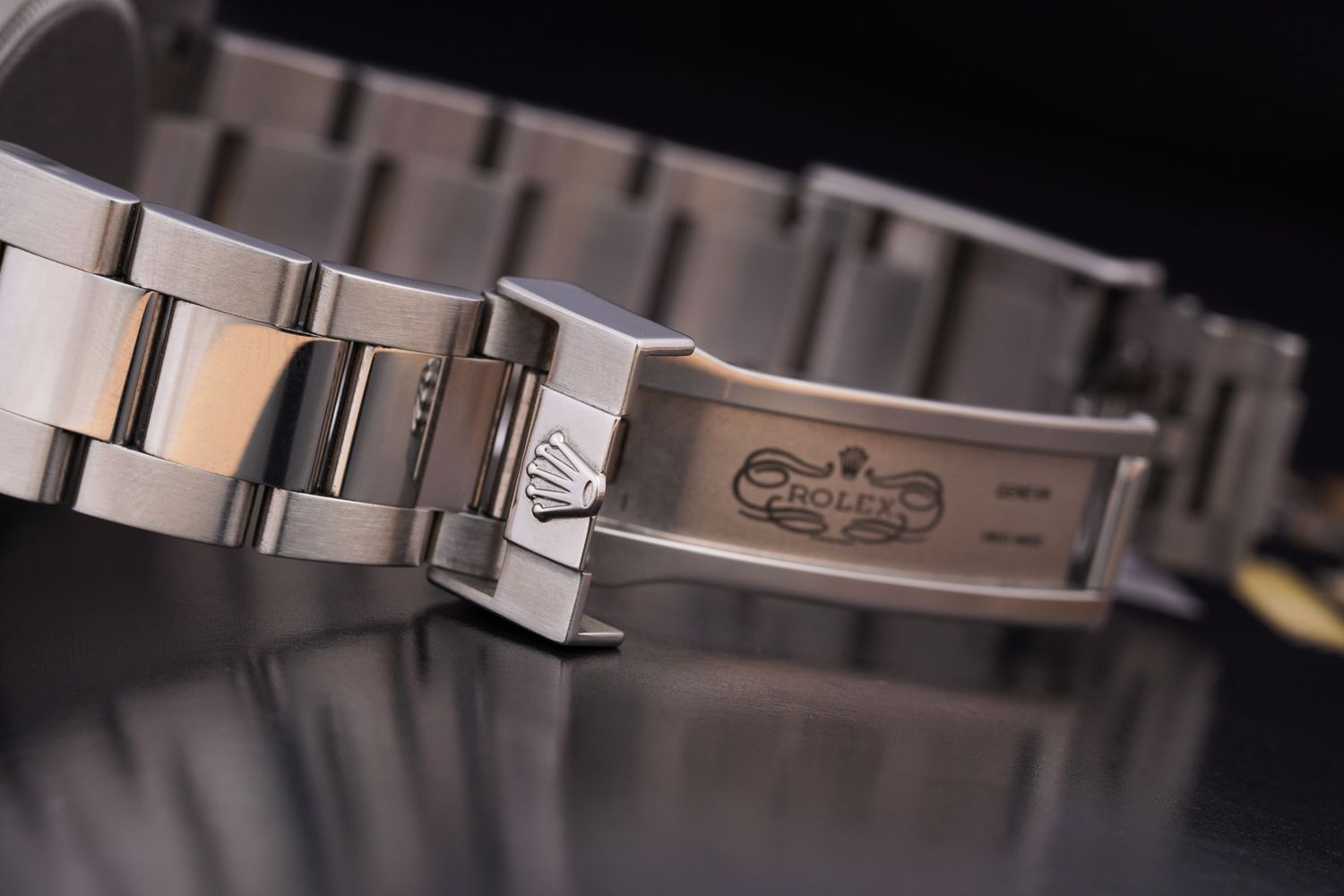
If you’ve spent any time in a watch forum, you already know the debate never really ends. Omega or Rolex isn’t a question with one correct answer — it’s a question that exposes what you actually value in a watch: engineering, prestige, resale performance, or history. Both brands build genuinely excellent Swiss timepieces, and both have loyal followings that will defend their choice to the death. This guide breaks down where each brand actually wins, using current pricing, movement specs, and secondary-market data instead of marketing copy.
Quick Answer
Omega leads in movement technology (METAS-certified, 15,000-gauss magnetic resistance) and offers more watches per dollar at retail. Rolex leads in resale value, brand recognition, and long-term investment stability. Neither is objectively “better” — the right choice depends on whether you prioritize horological innovation or asset-grade resale performance.

Where the Omega vs Rolex Rivalry Actually Comes From
Most people assume Rolex has always been the senior brand. It hasn’t. Omega was founded by Louis Brandt in 1848 and adopted its current name in 1894, giving it a genuine head start over Rolex, which began as Wilsdorf & Davis in London in 1905 and wasn’t renamed Rolex until 1908. For decades, Omega actually outsold Rolex in chronometer certifications — a lead it held until the 1970s “quartz crisis,” when Rolex’s mechanical-first strategy and Omega’s more scattered response allowed Rolex to pull ahead in sales and never look back.
That history matters because it explains the current dynamic. Rolex, now based in Geneva, built a business around scarcity, consistency, and a tightly controlled catalog. Omega, headquartered in Bienne and owned by the Swatch Group since 1983, took the opposite path — wider availability, faster innovation cycles, and a marketing strategy built on exploration rather than exclusivity.
Two Different Games, Not One Winner
Omega bet on space, sport, and precision. Its Speedmaster became the first watch on the Moon during NASA’s Apollo missions, and it has served as the Olympic Games’ official timekeeper since 1932. Rolex bet on scarcity and permanence, cultivating multi-year waitlists at authorized dealers and cementing partnerships with tennis, golf, and motorsport that reinforce a single message: owning one means you’ve arrived. Neither approach is wrong — they’re simply optimized for different outcomes.
Movement Technology: This Is Where Omega Pulls Ahead
If your priority is raw engineering, the data favors Omega. Every Omega watch carrying the “Master Chronometer” designation has passed METAS testing (Swiss Federal Institute of Metrology), certifying accuracy of 0 to +5 seconds per day and resistance to magnetic fields up to 15,000 gauss — a level most competing movements, including Rolex’s, don’t approach. Omega’s Co-Axial escapement, introduced commercially in 1999, also reduces friction between components, which in theory extends service intervals.
Rolex takes a more conservative approach. Its movements carry COSC certification (Contrôle Officiel Suisse des Chronomètres), guaranteeing accuracy within -2/+2 seconds per day, and the brand relies on proprietary 904L steel — a corrosion-resistant alloy that’s harder to machine than the 316L steel most competitors, including Omega, use. Rolex doesn’t chase magnetic-resistance records the way Omega does, but many independent watchmakers still consider Rolex’s in-house calibers slightly more robust in day-to-day use.
| Feature | Omega | Rolex |
|---|---|---|
| Certification | METAS (Master Chronometer) | COSC (Superlative Chronometer) |
| Accuracy standard | 0 to +5 sec/day | -2 to +2 sec/day |
| Magnetic resistance | Up to 15,000 gauss | Not specifically rated |
| Escapement | Co-Axial | Traditional Swiss lever |
| Case steel | 316L (standard) | 904L (proprietary) |
| Warranty | 5 years | 5 years |
| Service interval | 5–8 years | 7–10 years |
Omega and Rolex both build excellent in-house Swiss movements, but they optimize for different things. Omega’s METAS-certified Master Chronometers offer superior magnetic resistance (up to 15,000 gauss) and a wider accuracy tolerance. Rolex’s COSC-certified movements offer a tighter accuracy standard and use harder-wearing 904L steel cases.
The Resale Value Gap Nobody Talks About Enough
This is where the conversation gets less theoretical and more financial. Rolex’s steel sport models — the Submariner, GMT-Master II, Daytona, and Explorer — routinely trade at 80–120% or more of original retail on the secondary market, driven almost entirely by controlled production and dealer waitlists that stretch for months or years. Omega’s catalog, by contrast, typically depreciates 20–40% from retail once it hits the pre-owned market, with only a handful of references — the Speedmaster Moonwatch and select James Bond-edition Seamasters — holding value meaningfully better than the rest of the lineup.
There’s a real-world example worth walking through. Picture two collectors who each spend $6,000 on a new watch in the same month: one buys a steel Omega Seamaster Diver 300M, the other buys a steel Rolex Datejust 41 in a comparable configuration. Three years later, the Omega owner can typically expect to sell for somewhere in the $3,600–$4,800 range pre-owned. The Rolex owner, assuming the reference stayed in demand, is more likely to be near or slightly above the original purchase price. Neither owner made a bad decision — but only one of them treated the purchase as a financial asset, and the numbers reflect that difference.
Rolex outperforms Omega on resale value almost across the board. Popular Rolex sport models often sell at or above retail due to production scarcity and dealer waitlists, while most Omega watches depreciate 20–40% from retail on the secondary market. Exceptions exist, mainly vintage Speedmasters and limited-edition Seamasters.
Why the Gap Exists
- Controlled supply. Rolex produces roughly 1.1 million watches a year and still can’t meet demand at authorized dealers.
- Model concentration. Rolex sells fewer distinct references, concentrating collector demand on a handful of icons. Omega, by comparison, has offered more than 20 variations of the Speedmaster Professional alone in recent years, which spreads demand thin.
- Brand recognition. Independent brand-value studies have put Rolex’s global recognition near 100%, versus roughly 70% for Omega — a gap that translates directly into pricing power on the secondary market.
- Perception as an asset. Rolex has been marketed and resold as a store of value for decades. Omega has not built that same reputation, fairly or not.
Price: Where Omega Wins on Value Per Dollar
At retail, Omega typically prices at 40–60% of a comparable Rolex. The clearest example is the Speedmaster Professional Moonwatch, priced around $6,900, against the Rolex Daytona at roughly $15,350 — two legendary chronographs with in-house movements, yet a gap of more than $8,000. If pure specification and history per dollar is your priority, Omega is difficult to beat: you’re getting a watch that went to the Moon for less than half the price of Rolex’s most hyped chronograph.
Buyers should also watch pricing trends, not just current MSRP. Omega has raised retail prices roughly 8% over the past year in major markets, and Rolex has made similar adjustments following its own recent list-price update. Neither brand is getting cheaper, but Omega’s lower starting point still makes it the more accessible entry into serious Swiss watchmaking.
| Category | Omega | Rolex |
|---|---|---|
| Entry price point | ~$3,000–$4,000 | ~$6,500–$9,000 |
| Flagship sport chronograph | Speedmaster Professional (~$6,900) | Daytona (~$15,350) |
| Availability | Widely available at boutiques | Waitlists common on popular models |
| Retail price trend | +~8% over the past year | Recent list-price increase, early 2026 |
Head-to-Head: The Watches People Actually Compare
Enthusiasts rarely compare brands in the abstract — they compare specific references. Here’s how the most-searched matchups break down.
Omega Seamaster Diver 300M vs. Rolex Submariner Date. The Submariner set the template for every modern dive watch and still commands the stronger resale premium. The Seamaster counters with a more distinctive wave-pattern dial, a helium escape valve, and noticeably better magnetic resistance.
Omega Speedmaster Professional vs. Rolex Daytona. The Speedmaster carries the stronger historical claim — it’s the only watch confirmed to have been worn on the Moon. The Daytona carries the stronger market claim, with multi-year waitlists and resale prices that routinely clear retail.
Omega Seamaster Aqua Terra vs. Rolex Datejust. Both are the “one watch that does everything” option in each brand’s lineup. The Aqua Terra offers a co-axial movement and a lower price of entry; the Datejust offers Rolex’s stronger resale profile and the widest range of dial and bracelet configurations in the brand’s history.
Decision Framework: How to Actually Choose
Rather than asking “which brand is better,” ask what you’re optimizing for. Use this framework:
- If resale value and long-term liquidity matter most → Rolex, specifically a steel sport model in a currently in-demand reference.
- If movement technology and magnetic resistance matter most → Omega, specifically a Master Chronometer-rated model.
- If you want the most watch for your budget at retail → Omega, without much debate.
- If brand recognition and status signaling matter most → Rolex, given its near-universal name recognition.
- If you want a piece with genuine historical significance → Omega’s Speedmaster (Moon landing heritage) or Rolex’s Submariner/Daytona (motorsport and diving heritage) — both qualify, pick the story that resonates.
- If you’re buying your first serious Swiss watch and want flexibility to resell later, → Consider buying pre-owned. Omega’s steep initial depreciation means a lightly used Speedmaster can be one of the best value propositions in luxury watches today.
Common Mistakes Buyers Make in This Debate
- Treating every Rolex as a guaranteed investment. Plenty of Rolex references — particularly gold models and less popular dress watches — depreciate too. Resale strength is model-specific, not brand-wide.
- Assuming Omega can’t hold value at all. Vintage Speedmasters, especially pre-Moon and transitional references, can appreciate meaningfully. Broad statements about “Omega always loses value” ignore these exceptions.
- Buying new when pre-owned makes more financial sense. This applies especially to Omega, where the steepest depreciation happens in the first year.
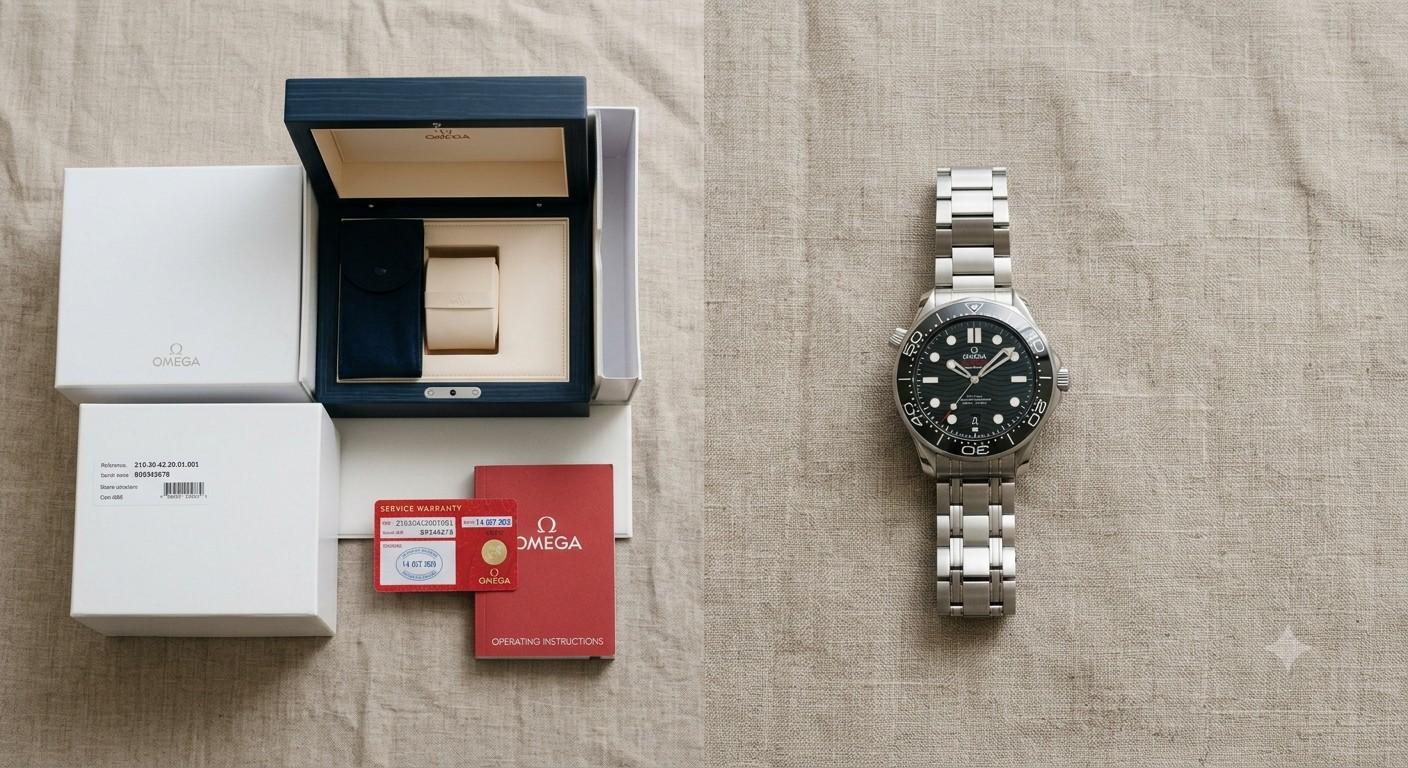
- Ignoring paperwork. Box, warranty card, purchase receipt, and service records can add 15–20% to resale value on either brand — buyers routinely leave money on the table by not keeping these.
- Comparing the list price to the list price without checking the secondary-market reality. MSRP tells you what you’ll pay. It tells you almost nothing about what you’ll get back.
Pros and Cons at a Glance
| Omega | Rolex | |
|---|---|---|
| Pros | Superior magnetic resistance; stronger value at retail; wide availability; genuine space/Olympic heritage | Strongest resale value; near-universal brand recognition; long production consistency; deep waitlist-driven demand |
| Cons | Depreciates faster on resale; less brand mystique; frequent model variations dilute collector focus | Higher retail prices; long wait times for popular models; less magnetic-resistance innovation |
Frequently Asked Questions
Is Omega as good as Rolex? In terms of build quality and precision, yes — both meet or exceed Swiss chronometer standards. Omega often exceeds Rolex on magnetic resistance and accuracy tolerance testing (METAS vs. COSC), while Rolex generally holds a resale-value edge.
Which holds its value better, Omega or Rolex? Rolex, by a clear margin. Popular Rolex sport models frequently sell at or above retail, while most Omega watches depreciate 20–40% from retail once resold.
Is Omega owned by the same company as Rolex? No. Omega is part of the Swatch Group, a publicly traded conglomerate that also owns Longines, Tissot, and Blancpain. Rolex is a privately held company registered as a foundation, with no parent conglomerate.
Which is better for diving, the Omega Seamaster or the Rolex Submariner? Both are certified dive watches with strong water resistance. The Submariner is the more historically dominant reference and holds resale value better; the Seamaster offers a helium escape valve and superior magnetic resistance for professional or technical divers.
Why is Rolex more expensive than Omega for similar specs? Pricing reflects controlled production, proprietary materials such as 904L steel, and decades of brand positioning rather than a straightforward difference in manufacturing costs. Omega often delivers comparable or superior technical specifications at a lower price point.
Should I buy an Omega or a Rolex as an investment? If resale performance is the primary goal, a Rolex steel sport model in a currently in-demand reference is the more predictable choice. If you want strong specs and don’t mind depreciation, a pre-owned Omega offers excellent value, since the steepest depreciation has already happened before you buy.
Does Omega or Rolex have a longer warranty? Both offer a 5-year warranty on new watches, matching each other on this point.
What’s the biggest difference between Omega and Rolex production? Rolex produces around 1.1 million watches annually and still can’t fully meet demand, creating dealer waitlists. Omega produces more watches across a wider range of variations, keeping retail availability higher and prices comparatively lower.
The Bottom Line on Omega or Rolex
There isn’t a universal winner in the Omega or Rolex debate, and any article that tells you otherwise is oversimplifying a genuinely nuanced choice. Omega wins on movement innovation, magnetic resistance, and value per dollar at retail. Rolex wins on resale performance, brand recognition, and long-term market stability. The right decision comes down to whether you’re buying a watch to wear and appreciate, or buying a watch you expect to sell later at a premium — and for many collectors, the honest answer is a mix of both.
If you’re building a collection rather than making a single purchase, there’s a strong case for owning one of each: an Omega for the engineering story, a Rolex for the resale floor. Whichever direction you go, buy from an authorized dealer or a reputable pre-owned specialist, keep the original box and papers, and choose the reference — not just the brand — since resale performance varies enormously within each lineup
