


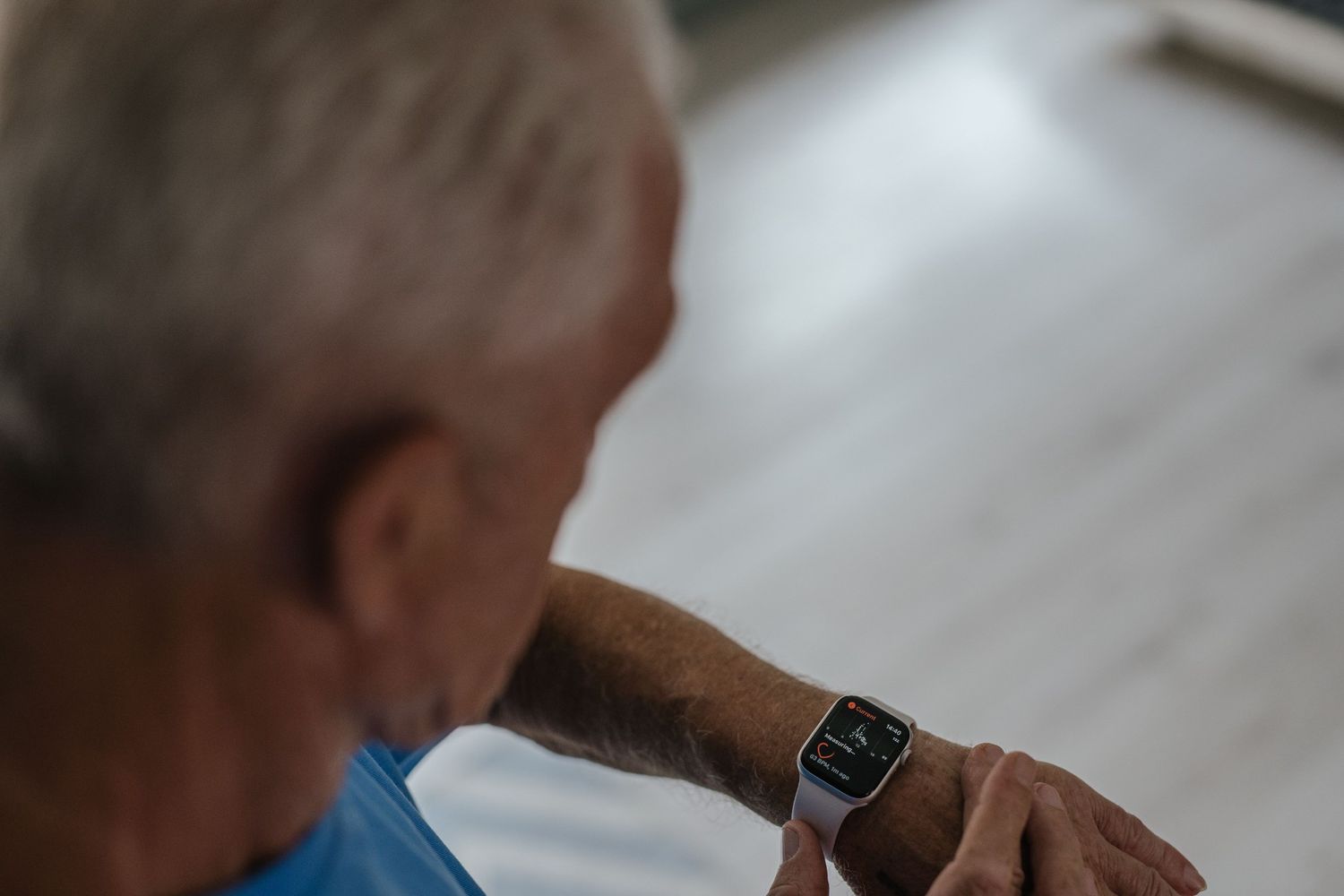
Growing older often comes with new health concerns, mobility challenges, and the need for greater support. At the same time, many seniors want to maintain their independence and stay connected with family, caregivers, and healthcare providers. This is where wearable technology for seniors is making a significant difference.
From smartwatches that monitor heart rate to fall-detection devices that can automatically call for help, wearable devices are transforming how older adults manage their health and daily lives. These technologies are becoming more accurate, easier to use, and more affordable than ever before.
In this guide, you’ll learn how wearable technology works, its benefits and limitations, the most popular device types, safety considerations, and future trends shaping senior healthcare.
Quick Answer
Wearable technology for seniors refers to electronic devices worn on the body that monitor health, track activity, detect emergencies, and improve communication. Common examples include smartwatches, medical alert systems, fitness trackers, GPS-enabled devices, and health-monitoring wearables that help seniors live more independently and safely.


What Is Wearable Technology for Seniors?
Wearable technology includes electronic devices designed to be worn as accessories or integrated into clothing. These devices collect data through sensors and provide valuable insights about health, activity levels, location, and safety.
For seniors, wearable devices are often designed with simplicity and accessibility in mind. Many feature large displays, voice assistance, automatic emergency alerts, and easy-to-understand interfaces.
Examples include:
- Smartwatches
- Fitness trackers
- Medical alert pendants
- GPS tracking devices
- Smart hearing aids
- Continuous health monitoring devices
- Smart clothing with embedded sensors
The primary goal is to improve the quality of life while reducing health risks and increasing independence.
Why Wearable Technology Matters for Older Adults
The global senior population continues to grow rapidly. As healthcare systems face increasing demand, wearable technology helps bridge the gap between independent living and professional care.
Key Reasons Seniors Use Wearables
| Need | How Wearables Help |
|---|---|
| Health monitoring | Track vital signs continuously |
| Emergency assistance | Detect falls and send alerts |
| Medication management | Provide reminders and notifications |
| Physical activity | Encourage movement and exercise |
| Family communication | Share health updates with caregivers |
| Cognitive support | Reminders and location tracking |
These capabilities can help seniors remain in their homes longer while maintaining greater confidence and safety.
Types of Wearable Technology for Seniors
Smartwatches for Health Monitoring
Smartwatches are among the most popular wearable devices for older adults.
Many modern smartwatches can monitor:
- Heart rate
- Blood oxygen levels
- Sleep quality
- Physical activity
- Stress levels
- ECG readings on supported models
Some devices can also detect abnormal heart rhythms and notify users when unusual patterns occur.
Best Use Cases
- Active seniors
- Individuals managing chronic conditions
- Users are comfortable with smartphones
Medical Alert Wearables
Medical alert devices are specifically designed for emergencies.
Features often include:
- One-touch emergency buttons
- Fall detection
- GPS location tracking
- Two-way communication
- Caregiver notifications
These devices can provide peace of mind for both seniors and family members.
Ideal For
- Seniors living alone
- Individuals with fall risks
- People with mobility challenges


Fitness Trackers
Fitness trackers encourage healthy habits by monitoring daily activity.
Common metrics include:
- Step count
- Calories burned
- Distance traveled
- Active minutes
- Sleep duration
Regular physical activity is strongly associated with better mobility, cardiovascular health, and mental well-being among older adults.
Benefits
- Simple to use
- Lightweight design
- Long battery life
- Affordable pricing
GPS Wearables for Safety
GPS-enabled devices help caregivers locate loved ones when necessary.
These wearables are especially valuable for seniors experiencing:
- Dementia
- Alzheimer’s disease
- Memory loss
- Wandering behavior
Location-sharing features can significantly improve safety and response times during emergencies.
Smart Hearing Devices
Modern hearing aids have evolved into sophisticated wearable technologies.
Advanced features may include:
- Bluetooth connectivity
- Noise reduction
- Smartphone integration
- Voice enhancement
- Health data collection
Many newer hearing devices also support remote adjustments by hearing professionals.
Health Monitoring Wearables
Specialized health-monitoring wearables provide continuous tracking for specific medical conditions.
Examples include:
Diabetes Monitoring
Continuous glucose monitoring (CGM) systems help users track blood sugar levels in real time.
Cardiac Monitoring
Wearable ECG devices can detect heart rhythm irregularities.
Blood Pressure Monitoring
Some wearable devices now provide blood pressure estimates and trend tracking.
These tools help seniors and healthcare providers make more informed decisions.
Benefits of Wearable Technology for Seniors
Improved Independence
One of the biggest advantages is the ability to live independently for longer periods.
Instead of requiring constant supervision, seniors can use wearable devices to manage many aspects of daily health and safety.
Early Health Issue Detection
Wearables often identify warning signs before symptoms become severe.
Examples include:
- Irregular heartbeat alerts
- Reduced activity patterns
- Sleep disturbances
- Sudden changes in vital signs
Early detection can lead to earlier medical intervention.
Enhanced Safety
Fall detection technology is one of the most valuable features for older adults.
When a fall is detected, some devices automatically:
- Notify emergency contacts
- Share GPS location
- Contact emergency services
This rapid response can reduce complications following accidents.
Better Caregiver Support
Family members and caregivers often struggle to balance independence with safety.
Many wearable systems allow:
- Remote health monitoring
- Activity updates
- Medication reminders
- Emergency notifications
This creates a stronger support network without being intrusive.
Increased Physical Activity
Many seniors become more motivated when they can track their progress.
Features such as:
- Daily goals
- Walking reminders
- Activity reports
- Achievement milestones
can encourage healthier lifestyles.
Potential Drawbacks and Challenges
While wearable technology offers many benefits, it is not perfect.
Learning Curve
Some seniors may find technology intimidating.
Challenges may include:
- App setup
- Account management
- Device updates
- Charging requirements
Choosing simple devices can reduce these barriers.
Cost Considerations
Prices vary significantly.
| Device Type | Typical Cost Range |
|---|---|
| Fitness Tracker | Low to Moderate |
| Smartwatch | Moderate to High |
| Medical Alert Device | Moderate |
| Specialized Medical Wearables | Moderate to High |
Some devices also require monthly subscription fees.
Privacy Concerns
Wearables collect sensitive health information.
Before purchasing a device, users should:
- Review privacy policies
- Understand data-sharing practices
- Enable security settings
- Use strong account passwords
Battery Dependence
Many wearables require regular charging.
A device with excellent features may become ineffective if frequently left uncharged.
How to Choose the Right Wearable Device
Not every wearable suits every senior.
Consider these factors:
Health Needs
Ask:
- Is fall detection required?
- Is heart monitoring important?
- Is chronic disease management needed?
Health priorities should drive device selection.
Ease of Use
Look for:
- Large displays
- Simple navigation
- Voice controls
- Easy charging systems
Complex interfaces often lead to poor long-term adoption.
Comfort
A wearable should feel comfortable enough to wear daily.
Consider:
- Weight
- Strap materials
- Waterproof capabilities
- Skin sensitivity
Caregiver Integration
Many families prefer devices that allow caregiver access.
Helpful features include:
- Shared dashboards
- Emergency alerts
- Location sharing
- Health reports
Common Mistakes Seniors Make When Using Wearables
Many users fail to maximize the value of wearable technology.
Avoid these mistakes:
Not Wearing the Device Consistently
Health insights are most accurate when devices are worn regularly.
Ignoring Alerts
Repeatedly dismissing notifications can lead to missed health warnings.
Skipping Software Updates
Updates often improve accuracy, security, and functionality.
Choosing Features Over Simplicity
The most advanced device is not always the best choice.
Ease of use often matters more than extra features.
Future Trends in Wearable Technology for Seniors
The future of senior-focused wearable technology looks promising.
AI-Powered Health Monitoring
Artificial intelligence is improving predictive healthcare.
Future devices may identify health risks days or weeks before symptoms appear.
Non-Invasive Monitoring
Researchers continue developing wearables capable of monitoring:
- Blood glucose
- Hydration
- Blood pressure
- Respiratory conditions
without invasive procedures.
Smart Clothing
Sensor-equipped clothing may eventually replace traditional wearables for some users.
Examples include:
- Smart shirts
- Smart socks
- Smart footwear
These products can monitor movement, posture, and health metrics continuously.
Remote Healthcare Integration
Wearables are becoming increasingly connected to telehealth systems.
Healthcare providers may soon receive real-time data directly from wearable devices, enabling more proactive care.


Expert Recommendations
When evaluating wearable technology for seniors, focus on practicality rather than flashy features.
Experts generally recommend prioritizing:
- Fall detection capabilities
- Reliable battery life
- Easy-to-read displays
- Emergency communication features
- Accurate health monitoring
- Strong privacy protections
For many seniors, a simple device consistently used is more beneficial than a sophisticated device that sits unused.
Frequently Asked Questions
What is the best wearable technology for seniors?
The best option depends on individual needs. Smartwatches, medical alert devices, and fitness trackers are among the most popular choices because they combine health monitoring, safety, and convenience.
Can wearable devices detect falls?
Yes. Many modern wearable devices include fall-detection sensors that automatically send alerts to caregivers or emergency services when a serious fall is detected.
Are wearable health devices accurate?
Most reputable devices provide useful health insights and trend monitoring. However, they should not replace professional medical diagnosis or treatment.
Do seniors need a smartphone to use wearable devices?
Many wearables work best when paired with a smartphone, though some medical alert devices function independently through cellular connectivity.
Can wearable technology help people with dementia?
Yes. GPS tracking, location alerts, and caregiver monitoring features can improve safety for individuals with dementia or Alzheimer’s disease.
Are wearable devices difficult for seniors to learn?
Many devices are specifically designed with seniors in mind and include large displays, simple interfaces, and voice controls that make them easier to use.
How much does wearable technology for seniors cost?
Costs range from affordable fitness trackers to advanced medical monitoring systems. Some devices may also require monthly service subscriptions.
Is wearable technology safe for older adults?
Generally, yes. When purchased from reputable manufacturers and used properly, wearable devices can improve safety, health monitoring, and independence.
Conclusion
Wearable technology for seniors is changing the way older adults manage their health, maintain independence, and stay connected with caregivers. From smartwatches and fitness trackers to medical alert systems and advanced health-monitoring devices, these tools provide valuable support for everyday living.
The best wearable solution depends on individual health needs, comfort preferences, and technology experience. By focusing on ease of use, reliability, and meaningful health features, seniors can gain significant benefits while reducing risks associated with aging.
If you’re considering wearable technology, start by identifying your primary goal, whether it’s health tracking, fall detection, activity monitoring, or caregiver support, and choose a device that fits those needs. A well-chosen wearable can become a powerful companion for safer, healthier, and more independent living.
